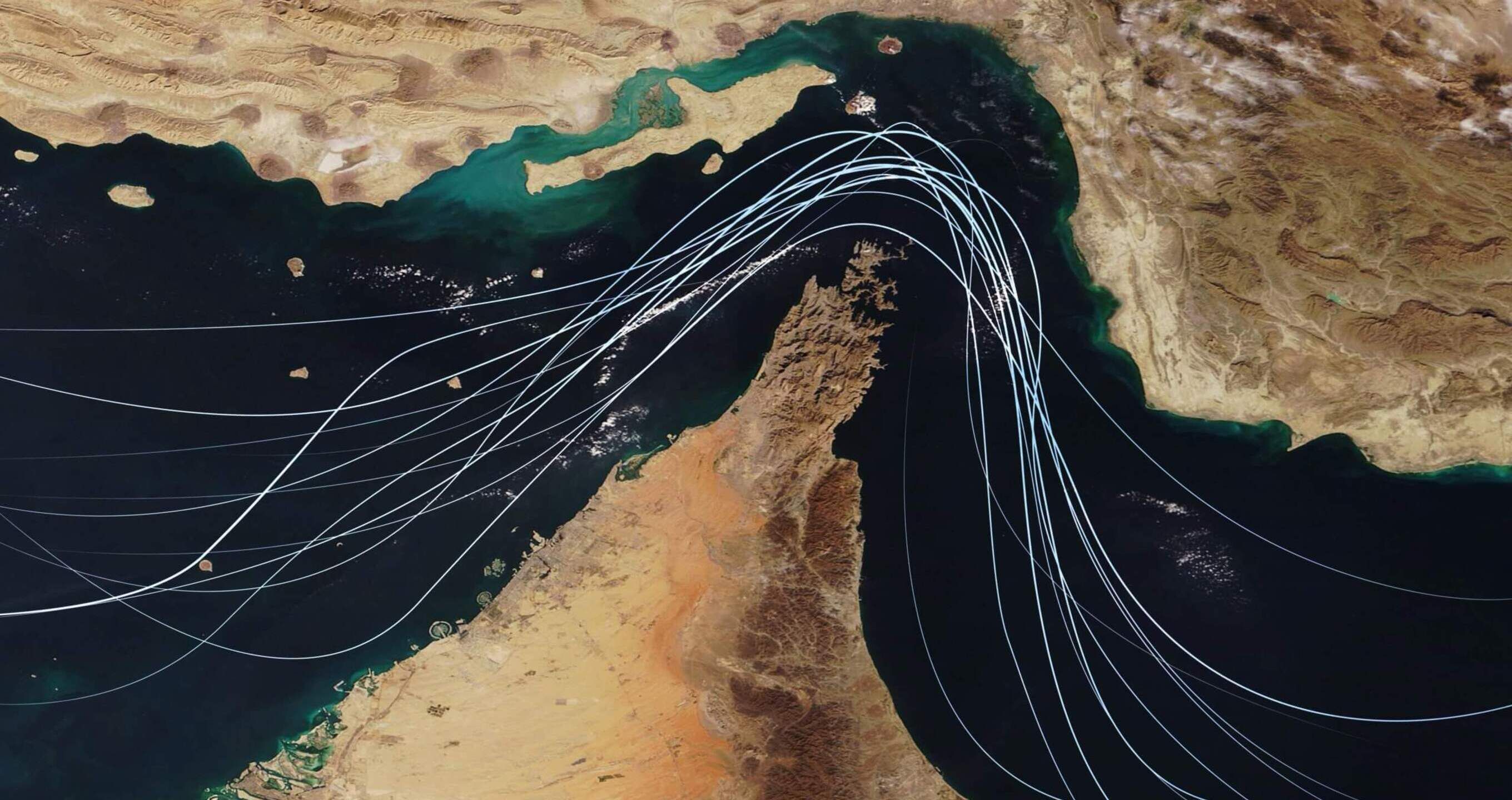

The Strait of Hormuz continues to play a critical role in global fertilizer supply, affecting trade flows, freight costs, and supply security. Despite the signing of the US-Iran memorandum of understanding on 17 June, shipping activity through the Strait remained significantly below normal. Vessel traffic stabilized at only about 30% of pre-conflict levels, with approximately 30–40 transits per day, down from roughly 120 before the conflict. Following the latest escalation, daily vessel traffic has fallen to single-digit levels, heightening uncertainty about supply flows and prompting market participants to reassess sourcing strategies, logistics networks, and risk exposure.
Milton Sato, Head of Global Market Intelligence at FertiStream, outlined how uncertainty in the Strait is influencing the fertilizer market outlook.
Geopolitical risk is reshaping contract structures beyond freight costs
With tensions in the Strait of Hormuz still unresolved, market participants continue to closely monitor fresh export loadings of key commodities, including urea, sulfur and phosphates, as well as vessel traffic.
The number of inbound cargoes serves as one of the earliest indicators of fertilizer availability from key Arab Gulf suppliers, including the UAE, Qatar and Saudi Arabia, and of potential changes in global trade flows. Maritime activity, meanwhile, continues to reflect elevated war-risk conditions, with shipowners and insurers limiting available tonnage while keeping freight rates and insurance premiums high. As a result, shipping costs have risen significantly, adding further pressure to the global fertilizer supply chain. For instance, urea freight rates from Qatar to India reached around $59/t in early July, compared with about $14/t in early February. Sulfur freight rates from the Arab Gulf also surged to approximately $170/t, up from around $35/t before tensions escalated.
However, the impact extends beyond freight costs. The heightened risk environment is also reshaping contract structures. In India's latest urea tender, buyers revised the terms for cargoes originating from within the Strait of Hormuz region, shifting execution and delay risks to sellers while requiring payment only upon the vessel's submission of the Notice of Readiness (NOR).
Sulfur tightens phosphate markets
Beyond logistics disruptions, sulfur availability has become a major concern for phosphate producers, with the Arab Gulf accounting for around 50% of its global supply. Sulfur prices were already rising due to strong demand from metal producers, particularly in Indonesia and Africa, before Hormuz-related disruptions further tightened availability.
Sulfur supply risks have increased following export restrictions from Russia, which shipped approximately 830 kt of sulfur last year, and concerns over Kazakhstan, which exported 4.5 Mt in 2025. Reduced export availability has pushed buyers to draw down inventories, with China’s port stocks falling to around 737 kt, compared with 1.9 Mt a year earlier.
Tighter raw material supply has also affected phosphate production, with Morocco reducing Q2 operating rates by 30–40% and Mosaic announcing curtailments at several Brazilian and US plants. Higher sulfur costs are increasing phosphate production expenses and limiting producers’ ability to lower prices to support demand.
Demand remains uneven
Although supply constraints are supporting fertilizer prices, affordability and government support continue to shape purchasing decisions. Subsidized markets such as India, and to a lesser extent, Ethiopia and Bangladesh, remain a major driver of global fertilizer trade. With governments covering a significant share of fertilizer costs, farmer demand is less dependent on fertilizer imported prices. In Brazil, however, affordability remains a challenge. The soybean-to-MAP ratio remains around 10% below last year’s level and well below the three-year average, limiting farmers’ willingness to pay higher prices for phosphate fertilizers.